
• Product Name: Brined Grape Leaves
  • Synonyms: Pickled grape leaves or salted grape leaves
  • Color: Yellowish green
  • Transport Package: 20’ft
  • HS Code: 2005999100
  • CAS NO.: 84929-27-1
  • Main Uses: Stuffed Grape Leaves (Dolma or Warak Enab), flavor enhancer, etc.
  • MOQ: 40’HQ FCL

Introduction of Brined Grape Leaves

Brined grape leaves (pickled grape leaves or salted grape leaves) are made from young, tender leaves harvested from grapevines and processed through careful selection, blanching, and brining procedures. Grape leaves for pickling are commonly used to prepare stuffed dishes and have become an essential raw material in international cooking, food processing, and household meals. As a traditional ingredient, they are widely used in Mediterranean, Middle Eastern, and Balkan cuisines and are essential for preparing iconic dishes such as Dolma, Stuffed Vine Leaves, Sarma, and Greek Mezze Rolls.

With their soft yet durable structure, brined grape leaves are ideal for wrapping fillings, making them a popular ingredient in both home kitchens and professional food production.Pickled grape leaves are typically collected during spring and early summer, when the leaves are soft and delicate. Through brining, the salted grape leaves retain their natural color, pliability, and aroma while achieving long-term preservation. They serve both as a natural wrapping material and as a flavor-enhancing ingredient that adds herbal freshness to various dishes.

Main Applications of Pickled Grape Leaves
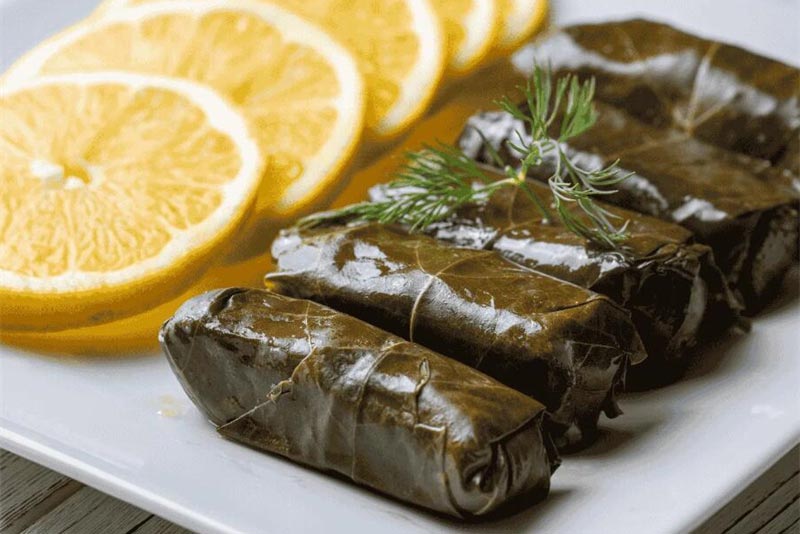
Stuffed Grape Leaves

1) Stuffed Grape Leaves, commonly known as Warak Enab or Dolma, is a traditional Middle Eastern and Mediterranean delicacy. Fresh or preserved grape leaves are filled with a finely blended mixture of rice, herbs, and spices. Depending on regional tradition and preference, the filling may include minced meat or be entirely vegetarian. The rolls are neatly arranged and slow-cooked, often with olive oil and a touch of lemon juice, resulting in a refreshing, savory taste.

2) Natural Wrapping Ingredient. Used in baking, steaming, or roasting dishes: preserves moisture, adds herbal aroma, acts as a natural, edible wrapper.

3) Flavor Enhancer. Vine leaves in brine Can be added to stews, soups, or slow-cooked dishes to enrich aroma and flavor depth.

4) Foodservice and Industrial Use. These brined grape leaves can be widely used in hotels, restaurants, catering businesses, and food-processing factories that produce ready-made Mediterranean meals.

(1) Natural Appearance. The pickled grape leaves for sale display colors ranging from deep green to olive green or yellowish green, with a smooth and natural sheen—ideal for authentic regional dishes.

(2) Excellent Flexibility. After blanching and brining, the grape leaves achieve optimal elasticity. They can be folded, rolled, or wrapped without tearing, making them suitable for filling a wide range of ingredients.

(3) Fresh, Herbal Aroma. Brined grape leaves maintain the grape leaf’s distinctive botanical scent, combining mild saltiness with a refreshing herbal and slightly tangy note. This adds depth and complexity to cooked dishes.

(4) Safe and Long-lasting. The brining process effectively inhibits microbial growth, ensuring the brined grape leaves maintain freshness and stability during long-term storage under sealed conditions.

The price of brined grape leaves is influenced by multiple factors, reflecting the costs of raw materials, processing, logistics, and market demand. Understanding these factors can help consumers, retailers, and importers evaluate product value and make informed purchasing decisions.

1. Quality of Raw Materials and Leaf Harvesting Season

Leaf Quality: Salted grape leaves are harvested from fresh grapevines. Tender leaves suitable for rolling dolma are more flexible and offer better texture, while older, thicker, or fibrous leaves are less desirable. High-quality leaves usually command higher prices.

Harvesting Season: Leaf availability depends on the season. During peak harvest periods, supply is abundant and prices tend to be lower. Off-season or limited harvests can raise prices. Certain regions only harvest during specific months, such as when the vine has just sprouted new leaves.

2. Processing, Preservation, and Packaging Methods

Processing: The method used—traditional hand-pickling versus large-scale industrial processing—affects quality. Properly pickled leaves remain tender, intact, and flavorful. The use of high-quality brine and proper sterilization also contributes to higher production costs.

Packaging: Pickled grape leaves are available in glass jars, plastic containers, bulk barrels, or loose form. Small retail packaging is convenient but usually has a higher unit cost, while bulk packaging reduces cost per kilogram.

Storage and Transport: Products requiring cold storage, long-distance transport, or export incur higher logistical costs, which are reflected in retail prices.

3. Supply and Demand, Market Circulation, and Import Situation

Supply & Demand: Limited local supply or high demand in non-producing regions increases prices. Exporting pickled leaves from Mediterranean, Middle Eastern, or Eastern European regions adds transportation and supply chain costs.

Consumer Demand: Areas with a strong preference for Mediterranean cuisine or traditional dolma dishes may see higher prices due to steady demand.

4. Product Specifications, Brand, and Added Value

Certifications and Quality Claims: Organic certification, traditional handcrafting, preservative-free preparation, and origin labels add value and cost.

Brand Recognition: Well-known brands or products from famous regions often sell at a premium.

Package Size: Smaller retail packs typically have a higher unit price, whereas larger or bulk packs offer better cost efficiency.

Pickled grape leaves are a low-calorie, nutritionally rich pickled food. Their nutritional value is mainly reflected in the following aspects, while also noting the nutritional changes and consumption limitations caused by the pickling process:

Rich in various vitamins. These pickled grape leaves retain some of the vitamins found in fresh grape leaves. Vitamin C has antioxidant properties and promotes collagen synthesis; vitamin E protects cell membranes from free radical damage; and it also contains a small amount of vitamin K, which can aid in blood clotting and bone health. However, during the pickling process, some water-soluble vitamins are lost or destroyed with the water, resulting in lower levels compared to fresh leaves.

Containing abundant minerals. It is a good source of minerals such as calcium, iron, and potassium. Calcium helps maintain the strength of bones and teeth, iron participates in hemoglobin synthesis and helps prevent iron-deficiency anemia, and potassium helps regulate electrolyte balance and maintain normal blood pressure.

High in dietary fiber. They are rich in dietary fiber (including soluble and insoluble fiber). Insoluble fiber promotes intestinal peristalsis, increases stool volume, and prevents constipation; soluble fiber slows down sugar absorption and helps regulate the balance of intestinal flora, which is beneficial to intestinal health.

They contain unique antioxidants. Grape leaves naturally contain flavonoids, polyphenols, and other natural antioxidants. These components can eliminate free radicals in the body and reduce oxidative stress damage to cells. Although some are lost during pickling, a certain amount is still retained, possessing certain antioxidant and health-promoting potential.

Low in calories and fat. Every 100 grams of grape leaves for pickling contains only 25-35 kcal and almost no fat, making them a typical low-calorie food, suitable as a side dish for people who need to control their weight or pursue a light diet.

  • Harvesting and Selection. Young, healthy grape leaves are picked from grapevines. Only intact, clean, and pest-free leaves are chosen.
  • Washing and Pre-cleaning. Fresh grape Leaves are washed thoroughly multiple times to remove dirt, dust, and impurities.
  • Blanching. They are briefly boiled to remove raw flavors, enhance pliability, and preserve natural color.
  • Brining. These grape leaves are neatly stacked and submerged in a controlled-concentration salt brine, allowing salt to fully penetrate the leaf tissues.
  • Packaging and Sealing. Leaves are packed in glass jars, cans, or vacuum bags and then sealed with brine for extended shelf life.

1. Before use, rinse or soak the pickled grape Leaves in clean water for 5–10 minutes to remove excess salt.

2. After thoroughly draining, the salted grape leaves for dolmas can be filled, rolled, or used directly in cooking.

3. If the grape leaves are slightly firm, they may be briefly blanched again to further soften them.

(1) Transparent vacuum pack.

(2) Glass jar packaging.

(3) Bulk food-service or industrial-size packaging.

Why CHoose US

Leading Supplier

With more than 15 years of export experience in the basic chemicals industry.

Stable supply

We have a large inventory and can provide customers with sufficient supply.

Fast Delivery

Good cooperation with cargo agents and shipping companies.

Free sample

We can provide free sample testing, good service and competitive prices for you.

contact