
Rutile titanium dioxide (TiO₂) is a premium inorganic white pigment widely used in coatings, plastics, inks, paper, rubber, and other industrial products. It features a tetragonal crystal structure and a high refractive index, making it particularly effective in applications that require strong light scattering and opacity.
Compared with anatase titanium dioxide, the rutile crystal form offers better photochemical stability and greater resistance to weather-related degradation. Therefore, it is commonly selected for products exposed to sunlight, moisture, and changing environmental conditions.
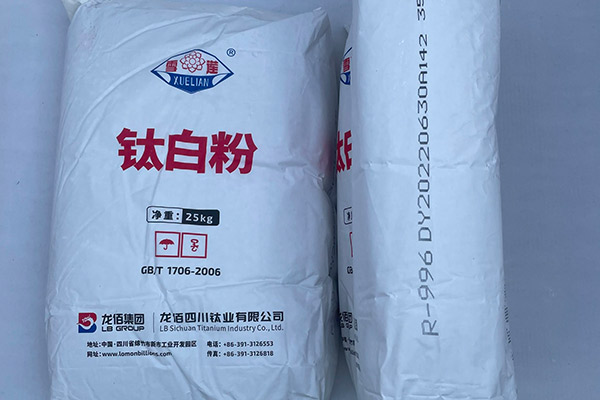
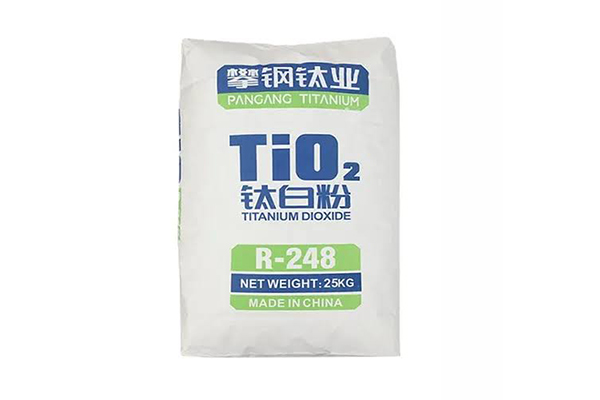
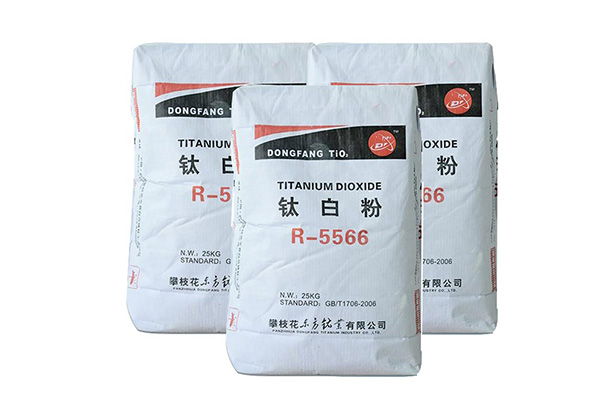
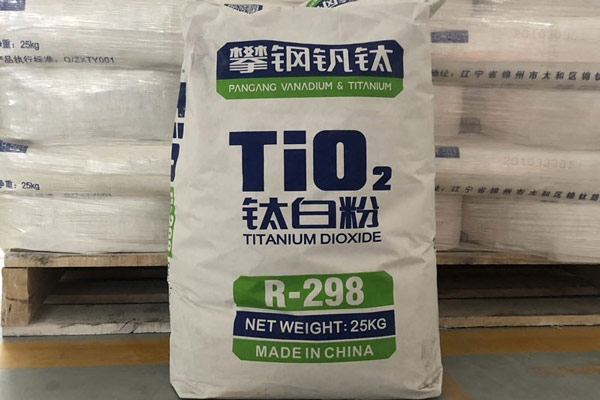
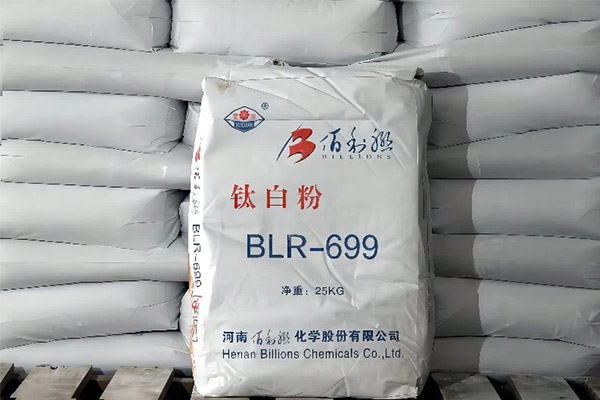
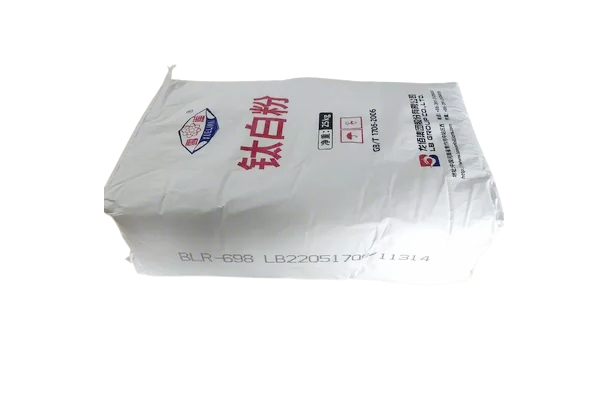
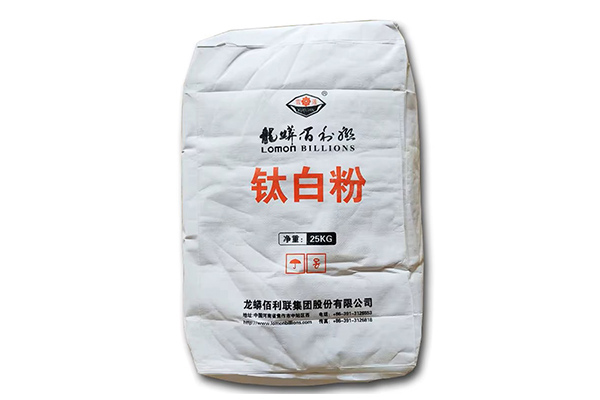
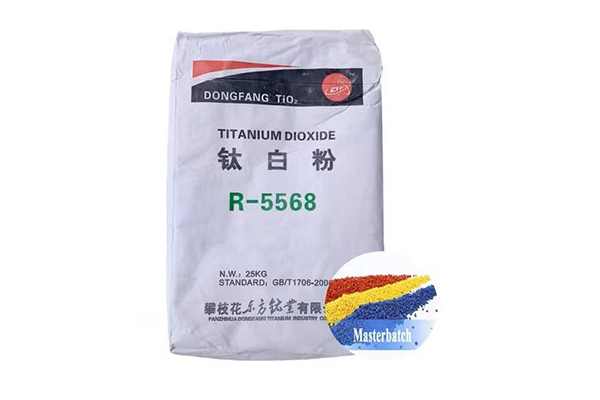
Best-Selling Rutile Titanium Dioxide Pigment Grades
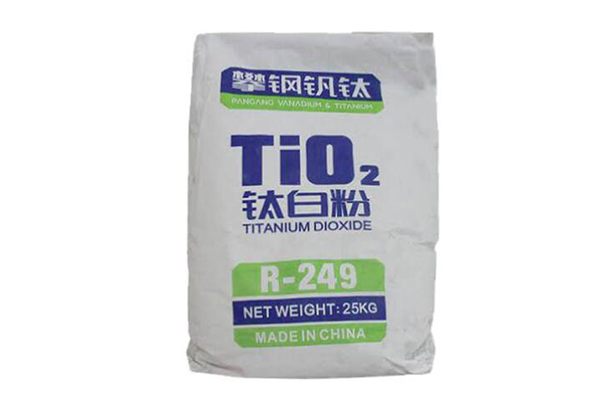
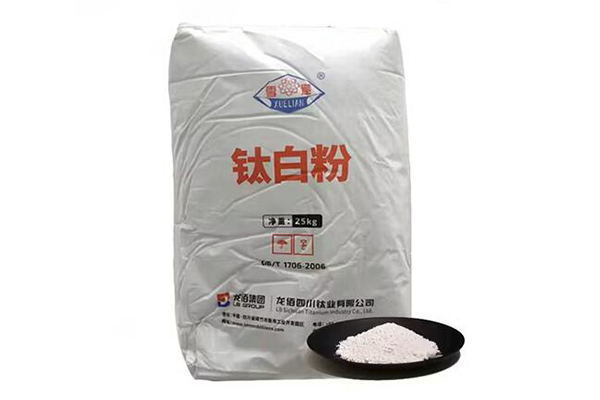
Product Advantages of Rutile TiO₂
High Refractive Index and Light Scattering. The rutile TiO₂ has a refractive index of approximately 2.7, allowing it to scatter visible light efficiently. This property helps manufacturers achieve the required opacity and color coverage while optimizing pigment consumption in finished formulations.
Excellent Outdoor Performance. Its stable crystal structure makes rutile a suitable choice for exterior applications. It can help reduce pigment-related degradation caused by light exposure and support the long-term appearance of coated surfaces.
Controlled Particle Size Distribution. Particle size and distribution directly influence the optical and processing characteristics of titanium dioxide. Properly controlled particles promote uniform light scattering, reduce unwanted aggregation, and contribute to consistent results during formulation and production.
Surface Treatment for Different Formulations. Commercial rutile pigments may receive inorganic or organic surface treatments according to their intended applications. Common treatment materials include alumina, silica, and zirconia. These treatments help adjust surface chemistry, improve compatibility with different media, and optimize dispersion behavior.
Versatile Processing Compatibility. Different grades can be incorporated into water-based coatings, solvent-based paints, thermoplastic resins, and printing ink systems. Selecting a grade with suitable surface characteristics helps manufacturers achieve stable processing and consistent finished-product quality.
(1) Application environment: Determine whether the finished product will be used indoors, outdoors, or under demanding industrial conditions.
(2) Processing system: Consider whether the pigment will be incorporated into water-based coatings, solvent-based paints, plastics, or printing inks.
(3) Surface treatment: Check whether the grade uses alumina, silica, zirconia, organic treatment, or a combination designed for the target formulation.
(4) Particle characteristics: Review particle size distribution and dispersion requirements to ensure compatibility with the production process.
(5) Optical requirements: Evaluate whiteness, undertone, opacity, and tinting strength according to the desired finished-product appearance.
(6) Durability requirements: For outdoor products, pay attention to weathering resistance and the stability of the complete formulation.